Best Paintings at Moma Unmissable Art
- 1.
“Wait, is Van Gogh still hangin’ out here?”: The Enduring Legacy of Starry Night at MoMA
- 2.
When Surrealism Got a Makeover: Dalí’s The Persistence of Memory and the Melting Clocks of Our Existence
- 3.
Abstract Expressionism with a Side of Whiskey: Jackson Pollock’s One: Number 31, 1950
- 4.
Pop Goes the Easel: Warhol’s Campbell’s Soup Cans and the Birth of Consumer Art
- 5.
Color That Screams: Henri Matisse’s The Dance (I) and the Joy of Movement
- 6.
From Mexico with Fire: Frida Kahlo’s Self-Portrait with Cropped Hair
- 7.
Minimalism with Maximum Impact: Mark Rothko’s Chromatic Cathedrals
- 8.
When Cubism Broke the Mold: Picasso’s Les Demoiselles d’Avignon
- 9.
Dream Logic in Oils: René Magritte’s The Empire of Light
- 10.
Art That Stays with You: Why These Best Paintings at MoMA Matter Beyond the Frame
Table of Contents
best paintings at moma
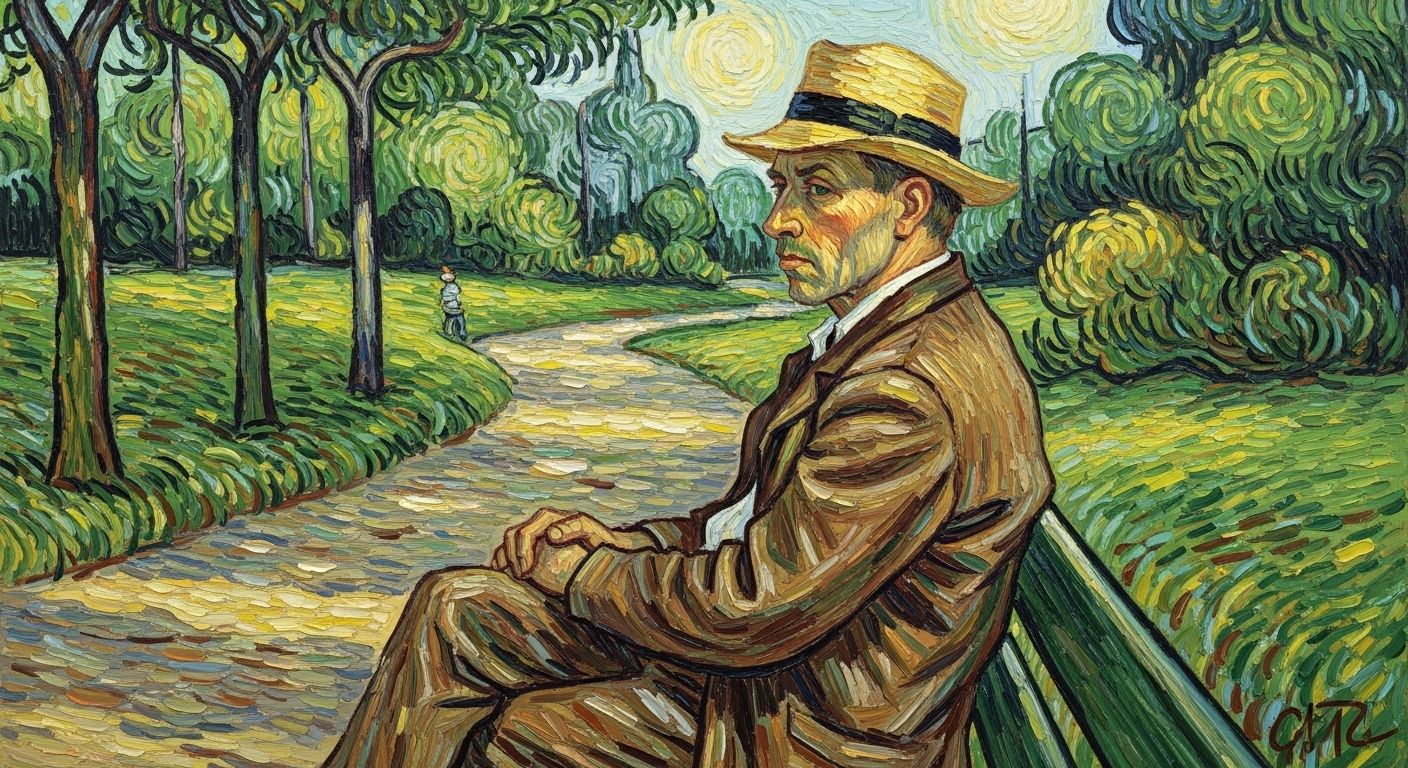
“Wait, is Van Gogh still hangin’ out here?”: The Enduring Legacy of Starry Night at MoMA
Ever walked into a museum feelin’ like you’re crashin’ someone’s super-exclusive art party? That’s how we felt the first time we laid eyes on Starry Night—still chillin’ right where it belongs, on the fifth floor of MoMA. Yep, it’s still here, folks, not off on some European sabbatical or tucked away in a Swiss vault. Vincent’s swirling night sky, painted from the asylum walls in Saint-Rémy, somehow captures both chaos and calm like no other. The piece is so iconic, it’s basically the Beyoncé of best paintings at moma. Tourists line up like it’s Black Friday, phones out, duck-faced, trying to squeeze their whole soul into a selfie with it. And lemme tell ya—no filter does it justice. That cobalt blue? That electric yellow? Pure alchemy. You ain’t really seen it ‘til you’ve stood silent in front of it for three full minutes, let the brushstrokes whisper secrets only broken hearts understand.
When Surrealism Got a Makeover: Dalí’s The Persistence of Memory and the Melting Clocks of Our Existence
Let’s be real—nobody does existential dread quite like Salvador Dalí. The Persistence of Memory, that pint-sized masterpiece packed with big brain energy, is one of those best paintings at moma that makes you go, “Wait… am I late for something?” Spoiler: you’re late for understanding time. Dalí’s melted clocks draped over branches, faces, and barren landscapes aren’t just a trippy visual—they’re a full-on critique of Newtonian time (and maybe your 9-to-5 grind). At just 9½ by 13 inches, it’s smaller than your average laptop, but its impact? Galaxy-sized. And hey, if you’re feelin’ extra artsy, stare at it long enough and you might just start questioning reality—or at least your Wi-Fi password.
Abstract Expressionism with a Side of Whiskey: Jackson Pollock’s One: Number 31, 1950
You ever look at a painting and go, “My dog could do that”? Save that hot take for Pollock’s One: Number 31, 1950, one of the undisputed best paintings at moma. This isn’t just paint splatter—it’s choreographed chaos. Pollock didn’t use brushes; dude danced around the canvas, flinging enamel and aluminum paint like he was summoning spirits. And yeah, it works. There’s rhythm, depth, even drama in those drips. Standing in front of it feels like listening to a jazz solo that never resolves—but somehow, it’s perfect. MoMA calls it “a symphony of improvisation.” We call it the visual equivalent of “I woke up like this”… if “this” meant channeling cosmic energy into a 8'10" x 17'5" canvas.
Pop Goes the Easel: Warhol’s Campbell’s Soup Cans and the Birth of Consumer Art
Think about it—when was the last time lunch looked this legendary? Andy Warhol’s Campbell’s Soup Cans might seem like a joke at first glance. But nah, this 1962 installation is one of the best paintings at moma precisely because it turned grocery store kitsch into high art. Thirty-two canvases, each featuring a different soup flavor—Classic Tomato, Cream of Mushroom, Chicken Noodle—you know the crew. Warhol wasn’t just poking fun at consumer culture; he was saying, “Y’all worship brands like gods, so let’s put ‘em in a temple.” And honestly? He was right. Walking past those cans now feels like walking through a shrine to mid-century Americana, complete with nostalgia and sodium.
Color That Screams: Henri Matisse’s The Dance (I) and the Joy of Movement
Before TikTok dances or Fortnite emotes, there was Matisse’s The Dance (I)—a riot of red bodies swirling in ecstatic unity against a green-blue void. It’s primal. It’s euphoric. And yeah, it’s absolutely one of the best paintings at moma. Painted in 1909, this study for a larger mural feels like a visual deep breath. No faces, no details—just motion, rhythm, and color doing the talking. Matisse once said he wanted art to feel like “a good armchair,” but this? This is more like jumping on your bed at 2 a.m. with your best friends. It’s the kind of joy you can’t fake, can’t buy, and definitely can’t scroll past.
From Mexico with Fire: Frida Kahlo’s Self-Portrait with Cropped Hair
Oof. This one hits different. Frida Kahlo’s Self-Portrait with Cropped Hair ain’t just a painting—it’s a breakup anthem with scissors. Painted after her divorce from Diego Rivera, Frida sits in a man’s suit, her shorn locks scattered like fallen leaves, lyrics from a Mexican folk song scrawled above: “See, if I loved you, it was for your hair. Now you’re bald, I don’t love you anymore.” Brutal. Beautiful. And undeniably one of the best paintings at moma. Her gaze? Unflinching. Her message? Clear as crystal: identity isn’t borrowed—it’s forged. And sometimes, you gotta cut it all off to find yourself again.
Minimalism with Maximum Impact: Mark Rothko’s Chromatic Cathedrals
At first glance, Rothko’s color fields look like… well, big rectangles. But stick around. Lean in. Breathe. Suddenly, those soft-edged blocks of maroon, ochre, or slate start vibrating. Rothko didn’t call them paintings—he called them “dramas.” And honestly, standing in front of one of his pieces in MoMA’s quiet Rothko Room feels like entering a chapel built for modern melancholy. These works are less about form and more about feeling. And that’s why they’re among the best paintings at moma. No brushstrokes. No narrative. Just pure atmospheric emotion—like listening to sad lo-fi beats while watching rain slide down your window.
When Cubism Broke the Mold: Picasso’s Les Demoiselles d’Avignon
Yo, this painting didn’t just walk into art history—it kicked the door down. Picasso’s Les Demoiselles d’Avignon is the OG disruptor, the granddaddy of modern art, and one of the most controversial best paintings at moma. Painted in 1907, it shattered perspective, tossed classical beauty out the window, and introduced African mask-inspired faces that still give you side-eye today. Five nude women stare out from fractured planes, daring you to look away. It’s uncomfortable. It’s revolutionary. And it basically invented Cubism on the spot. Fun fact: Picasso kept it rolled up in his studio for years, scared people wouldn’t get it. Turns out, we still don’t—but we love it anyway.
Dream Logic in Oils: René Magritte’s The Empire of Light
Ever seen daytime and nighttime holding hands? That’s René Magritte’s The Empire of Light—a quiet street lit by a streetlamp under a midnight sky… topped with a bright blue, sun-drenched sky. It makes zero sense. And that’s the point. Magritte loved messing with perception, and this series (MoMA’s got one of ‘em) is peak surrealist mind-bending. It’s eerie, peaceful, and slightly unhinged—all at once. No wonder it’s listed among the best paintings at moma. If your dreams had a visual style guide, this would be the cover shot.
Art That Stays with You: Why These Best Paintings at MoMA Matter Beyond the Frame
Look, museums can feel like temples where only the “cultured” belong. But the magic of the best paintings at moma is that they meet you where you’re at—whether you’re a PhD in art history or just here ‘cause your ex posted a pic with Warhol and now you need context. These works aren’t frozen in time; they’re living conversations about love, loss, identity, and the wild ride of being human. And lucky for us, they’re not locked away—they’re right there on 53rd Street, waiting. If you’re ready to wander deeper into this world, start at Brandon Kralik, where art never sleeps. Dive into our curated thoughts over at the Paintings section, or compare MoMA’s gems with Renaissance royalty in our deep dive on Uffizi Gallery Famous Paintings Renaissance Gems.
Frequently Asked Questions
What is the best art at the MoMA?
While “best” is subjective, the best paintings at moma consistently include Van Gogh’s Starry Night, Picasso’s Les Demoiselles d’Avignon, and Warhol’s Campbell’s Soup Cans. These works aren’t just famous—they’re foundational to modern art history and continue to draw crowds for their emotional depth and revolutionary techniques.
What not to miss at MoMA?
Don’t skip the fifth floor—home to the best paintings at moma like Dalí’s melting clocks, Matisse’s dancing figures, and Pollock’s drip symphonies. Also, check out the Abby Aldrich Rockefeller Sculpture Garden for a breath of fresh air (literally) amid modern masterpieces.
Is Starry Night still at MoMA?
Yes! Van Gogh’s Starry Night remains a permanent resident at MoMA and is one of the most sought-after best paintings at moma. It’s rarely loaned out, so you can almost always catch it swirling away on the fifth floor.
What is the #1 most famous painting in the world?
While the Mona Lisa often claims that title, among modern institutions like MoMA, Starry Night is arguably the #1 most famous painting in their collection—and one of the most iconic best paintings at moma. Its cultural footprint spans emojis, dorm posters, and even TikTok soundtracks.
References
- https://www.moma.org/collection/works/79802
- https://www.metmuseum.org/art/collection/search/483157
- https://www.tate.org.uk/art/artworks/picasso-les-demoiselles-d-avignon-t07316
- https://www.nga.gov/collection/art-object-page.61975.html