Frescoes Artwork Wall Murals
- 1.
The Ancient Origins: When Walls Became Canvases
- 2.
Renaissance Revolution: Michelangelo and the Sistine Ceiling
- 3.
Giotto’s Breakthrough: Emotion Meets Architecture
- 4.
Pompeii’s Time Capsule: Frescoes Frozen in Volcanic Ash
- 5.
The Technical Tango: How Frescoes Are Actually Made
- 6.
Leonardo’s Cautionary Tale: The Last Supper Disaster
- 7.
Global Fresco Traditions: Beyond Italy’s Walls
- 8.
Modern Revival: Street Art Meets Ancient Technique
- 9.
Where to Dive Deeper Into Wall-Bound Masterpieces
Table of Contents
frescoes artwork
The Ancient Origins: When Walls Became Canvases
Long before Instagram or even oil paint existed, folks were turning walls into epic storytelling machines—and not just any walls, mind you. We’re talking about the Minoans on Crete around 1600 BCE, who painted dolphins and bull-leapers on palace walls using a technique that’d make modern contractors sweat. The word “fresco” comes from the Italian for “fresh,” which is kinda the whole point: you’ve gotta paint on wet plaster before it dries, or the whole thing flakes off like last week’s nail polish. This method—called *buon fresco*—meant artists had to work fast, plan meticulously, and pray the weather didn’t turn humid. Those early frescoes artwork weren’t just decoration; they were status symbols, religious propaganda, and history books rolled into one. And honestly? They’ve held up better than most of our smartphones.
Renaissance Revolution: Michelangelo and the Sistine Ceiling
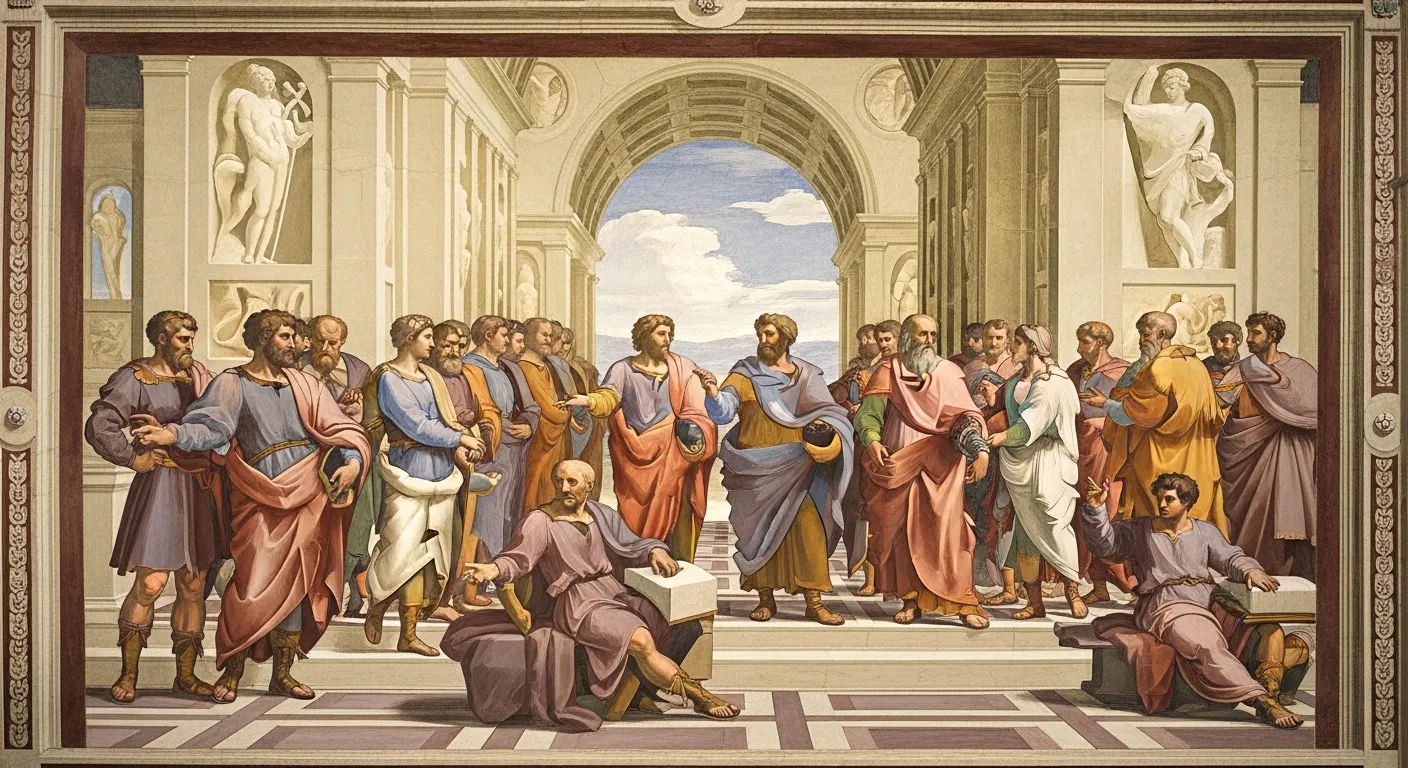
Let’s cut to the chase—the undisputed heavyweight champion of frescoes artwork is Michelangelo’s Sistine Chapel ceiling. Painted between 1508 and 1512, this masterpiece wasn’t just a gig; it was a four-year neck-craning marathon where the artist lay on his back, covered in plaster dust, arguing with popes, and probably muttering Italian curses under his breath. The result? Over 5,000 square feet of biblical drama featuring God, Adam, prophets, and enough muscular angels to fill a Renaissance gym. What makes these frescoes artwork so legendary isn’t just the scale—it’s the fact that Michelangelo, primarily a sculptor, basically invented new techniques on the fly to make figures pop off the curved ceiling. Fun fact: he hated the job so much he wrote a poem complaining about his aching neck and ruined eyesight. Worth it? Absolutely.
Giotto’s Breakthrough: Emotion Meets Architecture
Before Michelangelo flexed his muscles in the Vatican, there was Giotto di Bondone—the OG who turned flat, stiff medieval figures into living, breathing humans. In the Scrovegni Chapel in Padua (circa 1305), his frescoes artwork depicted biblical scenes with unprecedented emotion: Mary actually looked sad at the Crucifixion, angels had weight and movement, and Judas’s betrayal felt like a gut punch. Giotto ditched gold backgrounds for realistic skies and used architectural elements to frame his scenes, making viewers feel like they were peeking through a window into another world. These frescoes artwork didn’t just tell stories—they made you *feel* them, paving the way for the entire Renaissance. Not bad for a guy who supposedly learned art by drawing sheep as a kid.
Pompeii’s Time Capsule: Frescoes Frozen in Volcanic Ash
When Mount Vesuvius blew its top in 79 CE, it buried Pompeii under meters of ash—but accidentally preserved some of the most vibrant frescoes artwork from ancient Rome. Walk through those ruins today, and you’ll see gardens bursting with color, mythological scenes dripping with drama, and even cheeky erotic art in bathhouses (Romans loved their NSFW decor). Unlike Renaissance frescoes meant for churches, Pompeii’s frescoes artwork were everywhere—homes, shops, brothels—proving art wasn’t just for elites. The volcanic ash acted like a giant freezer, locking pigments in place for 1,700 years. Modern conservators still use these walls to study Roman life, fashion, and even interior design trends. Talk about eternal real estate goals.
The Technical Tango: How Frescoes Are Actually Made
Making frescoes artwork isn’t for the faint of heart or the impatient. First, you slap rough plaster (*arriccio*) on the wall, then sketch your design with red ochre (*sinopia*). Next comes the *giornata*—the section you can paint in one day before the final smooth plaster (*intonaco*) dries. Mix your pigments with water (no oils allowed—they won’t bond!), and go. Mess up? Tough luck—you’re stuck with it or gotta chip the whole section off and start over. This high-wire act forced artists to be part chemist, part athlete, and part prophet. The payoff? Pigments sink into the plaster as it cures, becoming part of the wall itself. That’s why frescoes artwork like the Sistine Chapel still glow after 500 years—while your acrylic wall art fades faster than last summer’s tan.
Fresco vs. Other Wall Art: Spotting the Difference
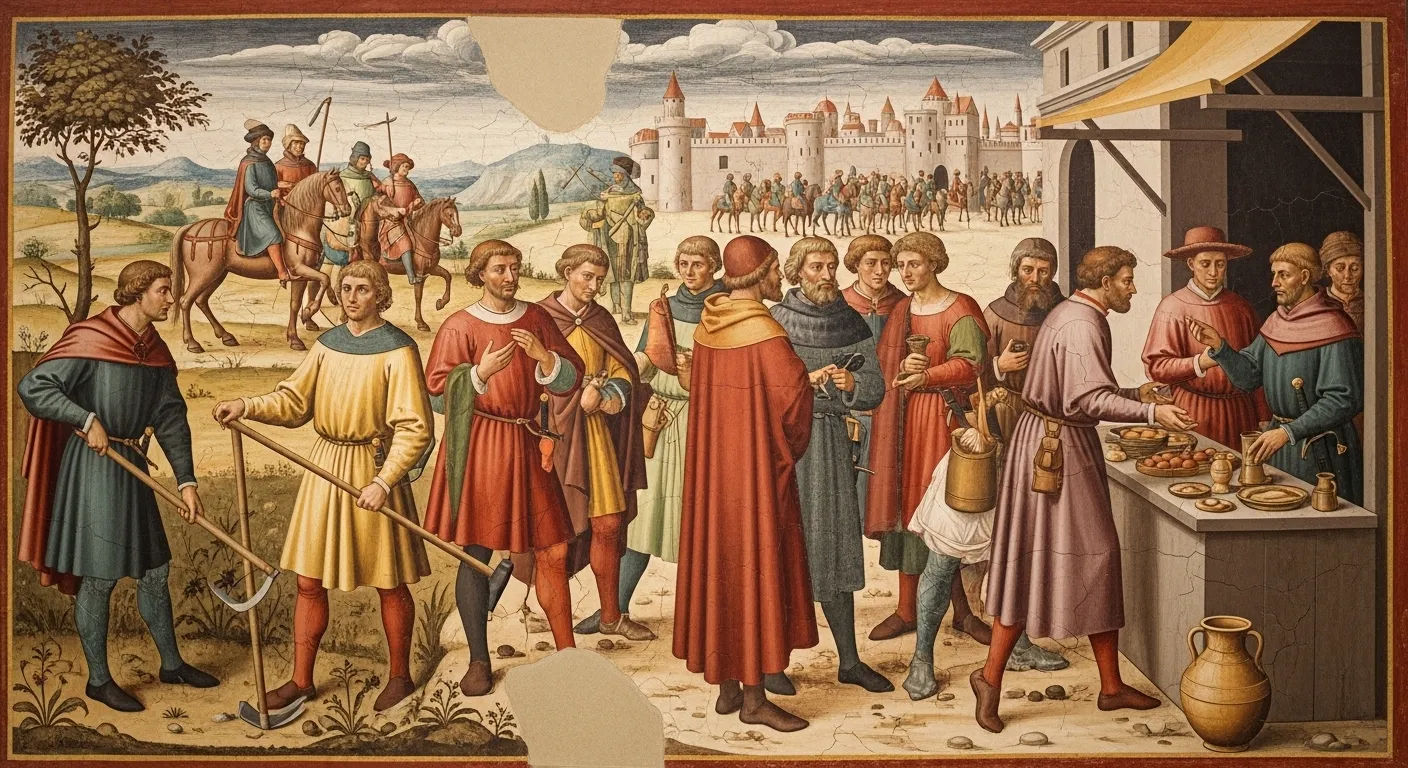
Not all wall paintings are frescoes artwork—here’s how to tell the real deal:
- Buon Fresco: Paint applied to wet lime plaster. Pigments bind chemically as plaster dries. Durable but unforgiving (e.g., Sistine Chapel).
- Fresco Secco: Paint applied to dry plaster. Less durable—colors flake easier (e.g., Leonardo’s *Last Supper*, which is why it’s crumbling).
- Mural: Any large wall painting, often using modern paints like acrylics. No chemical bond with wall.
Leonardo’s Cautionary Tale: The Last Supper Disaster
Speaking of *fresco secco*… poor Leonardo da Vinci tried to cheat the fresco system with *The Last Supper* (1495–1498). Instead of painting on wet plaster, he used tempera and oil on dry wall—probably because he wanted more time to perfect those anguished faces. Big mistake. Within decades, the paint started flaking off like dandruff. Today, it’s less a painting and more a conservation nightmare held together by prayers and glue. Moral of the story? Respect the frescoes artwork rules, or your masterpiece becomes a cautionary tale. (And no, the Mona Lisa isn’t a fresco—it’s oil on poplar wood, hanging safely in a climate-controlled box in Paris.)
Global Fresco Traditions: Beyond Italy’s Walls
While Italy hogged the Renaissance spotlight, frescoes artwork thrived worldwide. In India, Ajanta Caves (2nd century BCE) feature Buddhist frescoes with delicate lines and earthy tones. Ethiopia’s rock-hewn churches of Lalibela (12th century) boast vivid biblical scenes painted directly onto volcanic stone. Even Mexico’s Diego Rivera turned factory walls into socialist epics with his 20th-century murals—technically *fresco secco*, but spiritually fresco. These global frescoes artwork prove the technique wasn’t just a European flex; it was humanity’s universal urge to make walls speak across centuries.
Modern Revival: Street Art Meets Ancient Technique
Think frescoes are dead? Think again. Contemporary artists like Francesco Simeti blend traditional frescoes artwork methods with street art grit, painting social commentary on urban walls using lime plaster and mineral pigments. Others, like Los Angeles’ SPARC collective, train youth in fresco techniques to reclaim public spaces. Why go old-school in the digital age? Because frescoes artwork force presence—no Ctrl+Z, no filters, just raw skill meeting wall. In a world of fleeting pixels, these pieces say: “I’m here to stay.” Plus, nothing shuts down gentrification debates like a 20-foot-tall fresco of community heroes.
Where to Dive Deeper Into Wall-Bound Masterpieces
If your inner art nerd is itching for more, start at the source: explore Brandon Kralik for deep dives into art history’s greatest hits. Our dedicated Paintings section unpacks everything from cave art to AI-generated canvases. And for a front-row seat to the ultimate fresco showdown, don’t miss our epic breakdown of Fresco Michelangelo Sistine Chapel Ceiling Master. Whether you’re researching frescoes artwork or planning your next museum pilgrimage, we’ve got the roadmap to turn walls into wonderlands.
Frequently Asked Questions
What is the most famous fresco painting?
Michelangelo’s Sistine Chapel ceiling (1508–1512) is universally hailed as the most famous fresco painting. Located in Vatican City, this monumental frescoes artwork spans over 5,000 square feet and depicts scenes from Genesis, including the iconic "Creation of Adam." Its technical mastery, emotional depth, and sheer scale revolutionized Western art, cementing its status as the pinnacle of frescoes artwork achievement.
What is an example of fresco art?
A prime example of fresco art is Giotto’s Scrovegni Chapel cycle in Padua, Italy (c. 1305). This frescoes artwork series illustrates the lives of the Virgin Mary and Christ with groundbreaking emotional realism and spatial depth. Other notable examples include the ancient Roman frescoes in Pompeii’s Villa of the Mysteries and Diego Rivera’s 20th-century murals in Mexico City. Each demonstrates how frescoes artwork adapts to cultural contexts while adhering to the core technique of painting on wet plaster.
Is the Mona Lisa a fresco painting?
No, the Mona Lisa is absolutely not a fresco painting. Created by Leonardo da Vinci between 1503–1519, it’s an oil painting on a poplar wood panel—a portable artwork meant for private viewing. In contrast, frescoes artwork are large-scale, permanent wall paintings executed on wet plaster. While Leonardo did attempt fresco techniques with *The Last Supper* (with disastrous results), the Mona Lisa’s medium and purpose place it worlds apart from true frescoes artwork.
What makes a painting a fresco?
A painting qualifies as a fresco when pigments are applied to wet lime plaster (*intonaco*), allowing them to chemically bond as the plaster cures—a technique known as *buon fresco*. This integration makes the colors part of the wall itself, ensuring durability for centuries. Key characteristics of authentic frescoes artwork include matte finishes, absence of oil-based media, and execution in daily sections (*giornate*) due to plaster’s quick drying time. If paint is applied to dry plaster (*fresco secco*), it’s less permanent and not considered true fresco.
References
- https://www.britannica.com/art/fresco-painting
- https://www.metmuseum.org/toah/hd/fscr/hd_fscr.htm
- https://www.vatican.va/various/cappelle/sistina_vr/index.html
- https://www.getty.edu/conservation/publications_resources/pdf_publications/pdfs/mural_painting.pdf