Dafen Paintings Hidden Gem Of China

- 1.
What Exactly Are dafen paintings and Why Do They Fascinate the World?
- 2.
How Much Is the Dafen Oil Painting Village Experience Worth?
- 3.
What to Do in Dafen Oil Painting Village Beyond Just Gaping?
- 4.
How Long to Spend in Dafen Oil Painting Village Without Losing Your Mind?
- 5.
The Economics Behind dafen paintings: Sweat, Skill, and Supply Chains
- 6.
Are dafen paintings Legal? Navigating Copyright in the Copycat Capital
- 7.
Cultural Identity and dafen paintings: Homage or Exploitation?
- 8.
From Dafen to Your Wall: The Journey of a dafen painting
- 9.
Comparing dafen paintings to the 10 Most Valuable Paintings in the World
- 10.
Future of dafen paintings in the Age of AI and NFTs
Table of Contents
dafen paintings
What Exactly Are dafen paintings and Why Do They Fascinate the World?
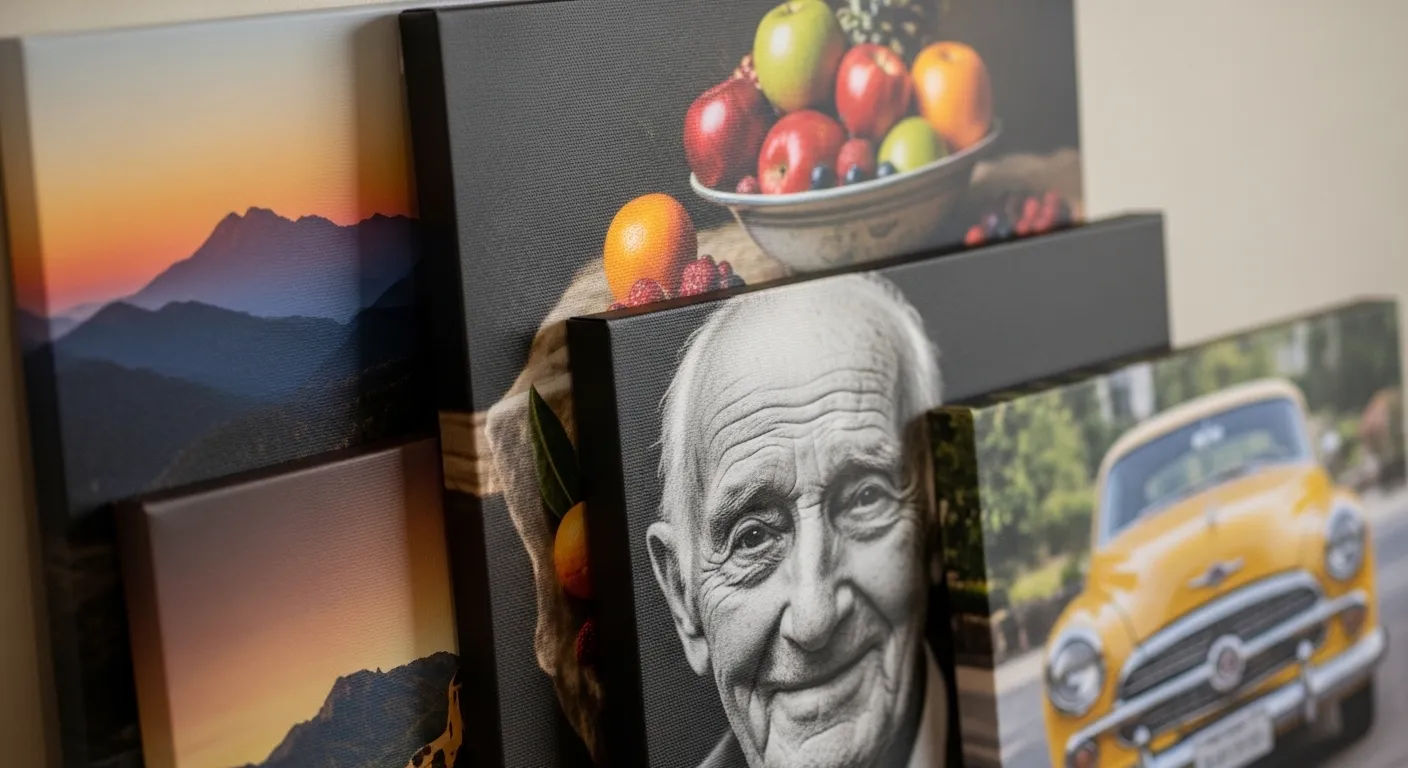
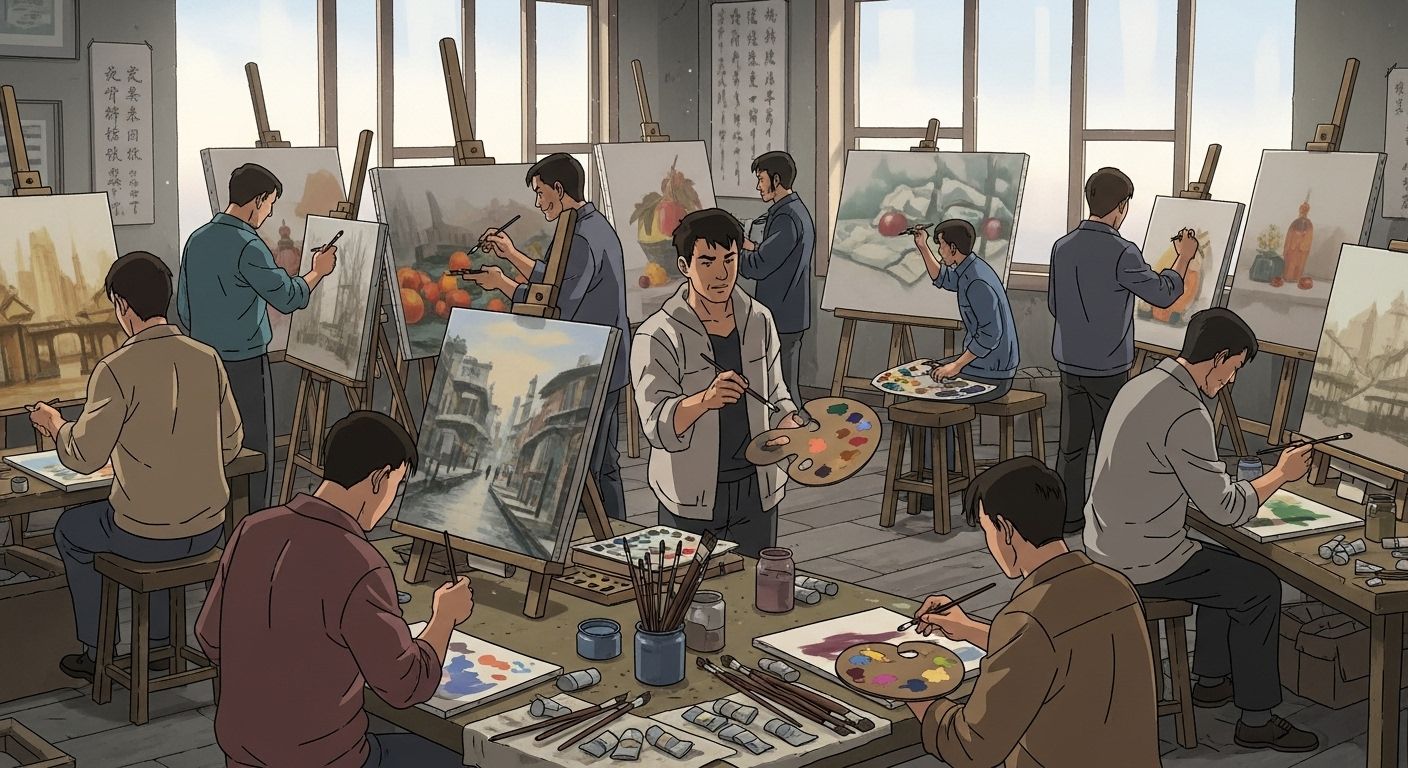
Ever walked into a room and thought, “Wait, is that Van Gogh… or just Van Gogh-ish?” That’s the magic—and mystery—of dafen paintings. Nestled in the buzzing urban sprawl of Shenzhen, China, Dafen Oil Painting Village isn’t your typical art district. It’s a full-on replication empire where thousands of artists churn out everything from Monet’s water lilies to Warhol’s soup cans—sometimes in under 24 hours. These dafen paintings aren’t just copies; they’re cultural hybrids, economic statements, and for some, controversial masterpieces in their own right. The village employs over 5,000 painters and exports millions of artworks yearly—mostly to the U.S. and Europe. So yeah, your “vintage” Picasso in the living room? Might’ve been brushed by a dude named Li Wei over a bowl of dan dan noodles.
How Much Is the Dafen Oil Painting Village Experience Worth?
If you’re wondering “How much is the Dafen oil painting village?” you’re not alone—but the question’s a bit off-kilter. Entry to Dafen is free, baby! No gate fees, no velvet ropes. What you pay for are the dafen paintings themselves, which range from $10 knockoffs to $2,000 near-perfect replicas. Custom commissions? Those can hit $5K or more if you want your cat painted like Napoleon crossing the Alps. The real “cost” is your perception of art: once you see a room full of Rembrandts being painted simultaneously by 20 artists humming C-pop, your brain might short-circuit. But hey, that’s part of the charm. And don’t forget—bargaining is expected. Throw in a “lǎo bǎn, piányi diǎn ba!” (Boss, cheaper please!) and you might walk out with a bargain dafen painting and a new BFF.
What to Do in Dafen Oil Painting Village Beyond Just Gaping?
So, what to do in Dafen Oil Painting Village? First, ditch the “just looking” mindset. This place thrives on interaction. Wander through narrow alleys lined with open studios where artists paint with the focus of monks and the speed of TikTok chefs. Try your hand at a mini-workshop—some studios offer 30-minute “paint your own Van Gogh” sessions for around $15. Snap pics with mural-covered walls (perfect for that artsy IG flex). And if you’re feeling bold, commission a dafen painting of your grandma as Frida Kahlo. Pro tip: visit in the morning when the light’s soft and the artists haven’t hit their third cup of baijiu. Also, swing by the Dafen Art Museum—it’s small but packs a punch with exhibits on the village’s evolution from bootleg hub to semi-legit art ecosystem. Every corner here whispers stories wrapped in linseed oil and ambition.
How Long to Spend in Dafen Oil Painting Village Without Losing Your Mind?
“How long to spend in Dafen Oil Painting Village?” Great question. Most tourists breeze through in 1–2 hours, but real art nerds (like us) linger for half a day. Why? Because dafen paintings aren’t just products—they’re performances. Watch a master replicate a Vermeer stroke-by-stroke while his apprentice mixes cadmium red with the precision of a chemist. Chat with artists about their dreams (many wanna paint originals someday). Sip bubble tea and debate whether replication is theft or tribute. Honestly, if you’ve got 3 hours, you’ll leave with a painting, a headache from sensory overload, and a weird urge to rewatch “The Thomas Crown Affair.” Less than an hour? You’ll miss the soul behind the brushstrokes of those dafen paintings.
The Economics Behind dafen paintings: Sweat, Skill, and Supply Chains
Let’s get nerdy for a sec. The dafen paintings industry is a $100M+ annual machine. Over 60% of oil paintings sold online in the U.S. originate from Dafen. Artists here earn between $300–$1,500/month—low by Western standards, but solid in local context. Many start as teens, learning by copying before developing their own style (if they get the chance). The supply chain? Wildly efficient: raw canvas from Guangzhou, pigments from Shanghai, shipped globally via Shenzhen Port. What’s fascinating is how Dafen adapted to e-commerce—Alibaba, Etsy, Amazon sellers all source from here. Yet, despite the scale, each dafen painting carries subtle human quirks: a slightly off-blue sky, a brush flick that wasn’t in the original. That’s the glitch in the matrix that keeps it real.
Are dafen paintings Legal? Navigating Copyright in the Copycat Capital
Here’s the spicy bit: dafen paintings live in a copyright gray zone. Technically, reproducing copyrighted works (like modern art) without permission is illegal—but enforcement? Meh. Most artists stick to pre-1928 works (public domain), but you’ll still find Basquiats and Hockneys if you ask nicely. The Chinese government, oddly enough, has started promoting “original Dafen art” to dodge legal heat. So while your $50 Monet is A-OK, that $200 Banksy might raise eyebrows. Still, for the average buyer, dafen paintings are seen as decorative, not deceptive. As one painter told us: “We don’t sell lies. We sell dreams with a discount.”
Cultural Identity and dafen paintings: Homage or Exploitation?
Is Dafen a celebration of global art or a factory of cultural flattening? Depends who you ask. Critics call dafen paintings “soulless reproductions,” but locals see them as acts of reverence. Many artists study Western masters like scripture—memorizing brush techniques, color palettes, even the mood of each piece. There’s pride in nailing a Rothko gradient or a Degas ballerina’s posture. And let’s be real: Western museums once looted artifacts; Dafen just “borrows” aesthetics—with receipts. Plus, the village is slowly birthing its own stars. Artist Zhao Xiaoyang, for example, blends Van Gogh swirls with Chinese calligraphy. So maybe dafen paintings aren’t just copies—they’re conversations across centuries and continents.
From Dafen to Your Wall: The Journey of a dafen painting
Ever wonder how a dafen painting ends up above your couch in Brooklyn? It starts with a photo upload to an Etsy shop. That image gets sent to a Dafen middleman, who assigns it to an artist specializing in, say, impressionism. Within days, the piece is painted, varnished, rolled, and shipped via DHL. Total time: 7–14 days. Total cost to maker: ~$25. Your price: $199. The markup’s steep, but you’re paying for convenience, not exploitation (hopefully). Some ethical vendors now list artist names and pay fair wages—look for those if your conscience tingles. Either way, that dafen painting on your wall? It traveled farther than most humans.
Comparing dafen paintings to the 10 Most Valuable Paintings in the World
While we’re on value, let’s address the elephant in the room: “What are the 10 most valuable paintings in the world?” Spoiler: none are from Dafen. The top spot? Da Vinci’s “Salvator Mundi” ($450M). Others include works by Gauguin, Pollock, and de Kooning—all originals, all untouchable. But here’s the twist: a dafen painting of that $450M Da Vinci costs $80. Is it “worth” less? Financially, yes. Emotionally? Maybe not. One Brooklyn teacher told us her dafen painting of “Starry Night” helped her students fall in love with art. Value isn’t just auction-house numbers—it’s access, inspiration, and joy. And Dafen delivers that by the truckload.
| Rank | Painting | Artist | Sale Price (USD) | Dafen Replica Price (USD) |
|---|---|---|---|---|
| 1 | Salvator Mundi | Leonardo da Vinci | $450,300,000 | $75–$150 |
| 2 | Interchange | Willem de Kooning | $300,000,000 | $90–$200 |
| 3 | The Card Players | Paul Cézanne | $250,000,000 | $80–$180 |
| 4 | Nafea Faa Ipoipo | Paul Gauguin | $210,000,000 | $100–$220 |
| 5 | Number 17A | Jackson Pollock | $200,000,000 | $110–$250 |
Future of dafen paintings in the Age of AI and NFTs
With AI art generators and NFTs blowing up, you’d think dafen paintings would fade. But nah—they’re adapting. Some studios now use AI to prep underdrawings, letting artists focus on texture and soul. Others mint NFTs of their replicas (yes, really). And while AI can mimic style, it can’t replicate the slight tremor in a human hand or the smell of turpentine on a humid Shenzhen afternoon. That tactile humanity is Dafen’s secret sauce. As one artist quipped: “AI makes perfect copies. We make imperfect love letters to art.” So unless robots learn to crave bubble tea, dafen paintings ain’t going nowhere.
Curious how other artists are pushing boundaries? Check out Brandon Kralik for deep dives into modern creators, or peek at the Artists page to see who’s shaking things up. And if you wanna see how history gets a fresh spin, don’t miss Titus Kaphar artwork powerful historical narratives—it’ll blow your mind.
Frequently Asked Questions
How much is the Dafen oil painting village?
Entry to the Dafen Oil Painting Village is free! You only pay for the dafen paintings you buy, which range from $10 for basic replicas to $5,000+ for custom or high-detail commissions. There’s no admission fee—just bring cash and your best bargaining face.
What to do in Dafen Oil Painting Village?
In Dafen Oil Painting Village, you can watch artists create dafen paintings in real time, commission your own custom artwork, take a quick painting workshop, visit the Dafen Art Museum, shop for frames and brushes, and snap Insta-worthy photos against vibrant mural backdrops. Don’t forget to haggle—it’s part of the experience!
What are the 10 most valuable paintings in the world?
The 10 most valuable paintings include Leonardo da Vinci’s “Salvator Mundi” ($450M), Willem de Kooning’s “Interchange” ($300M), and works by Cézanne, Gauguin, and Pollock. While these originals are priceless, affordable dafen paintings replicas of these masterpieces are widely available for under $250, making high art accessible to everyday collectors.
How long to spend in Dafen Oil Painting Village?
Most visitors spend 1–3 hours exploring Dafen Oil Painting Village. If you’re serious about commissioning dafen paintings or diving deep into artist studios, plan for half a day. The longer you stay, the more you’ll appreciate the craft behind each brushstroke.
References
- https://www.scmp.com/lifestyle/arts-culture/article/3124567/dafen-village-china-copycat-art-capital-world
- https://www.bbc.com/news/magazine-23043539
- https://www.nytimes.com/2019/05/10/arts/design/dafen-painting-village-china.html
- https://www.southchinamorningpost.com/china/china-economy/article/3124567/dafen-oil-painting-village-shenzhen-art-replicas
- https://www.artnet.com/magazineus/features/kelley/dafen-village1-10-08.asp